Most Common Asthma and Allergy Triggers
“In recent years, comparative risk studies performed by EPA and it’s Science Advisory Board have consistently ranked indoor air pollution among the top five environmental risks to public health.”
Dust mites thrive on bedding, pillows, mattresses, upholstered furniture, stuffed toys, and carpets. When inhaled the tiny dust mite droppings trigger coughing, stuffy nose, itchy eyes or wheezing. "Exposure to allergens produced by house dust mites - found in nearly every indoor environment - can lead to asthma in children who are predestined to developing the disease." - Institute of Medicine
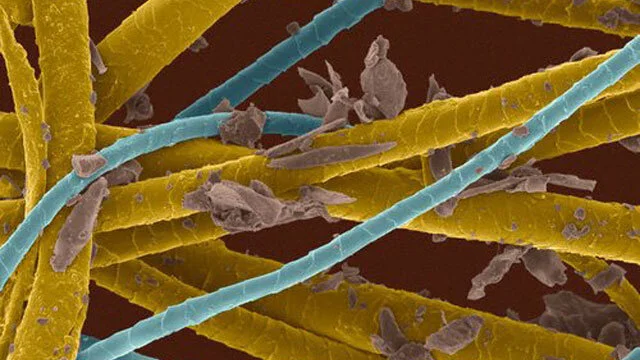
Cockroaches are a more serious health threat than most people realize. The saliva, feces and shedding body parts of cockroaches can trigger both asthma and allergies. These allergens aggravate symptoms when they are kicked up in the air. 63 percent of American homes contain cockroach allergens. Symptoms include coughing, nasal congestion, skin rash, wheezing, ear and sinus infection. - National Pest Management Association
Pet dander is a serious problem for those with allergies. The dander can stick to furniture, carpet, and clothing. When inhaled, pet dander can cause an allergy flare up, which in turn can lead to expensive allergy testing and medication and contribute to asthma, allergic sinusitis or allergic rhinitis.
Allergy symptoms include itchy eyes, rashes, a runny nose, congestion, hoarseness, wheezing, and sneezing.
Research shows that particles from secondhand tobacco smoke can settle in dust and on surfaces and remain there long after the smoke is gone. Smoke can trigger an asthma attack.
Common symptoms of smoke irritation are burning or watery eyes, nasal congestion, coughing, hoarseness and shortness of breathe presenting as a wheeze.
Most people live in their homes unaware that their breathing problems, allergies and asthma are caused by airborne mold spores blown all throughout their house by their own air and heating system.
When mold spores land on something wet indoors they can cause allergic illness, trigger asthma, or lead to respiratory infections.
Common symptoms are red and itchy watery eyes, skin rashes, wheezing, nasal and sinus irritation and rash.
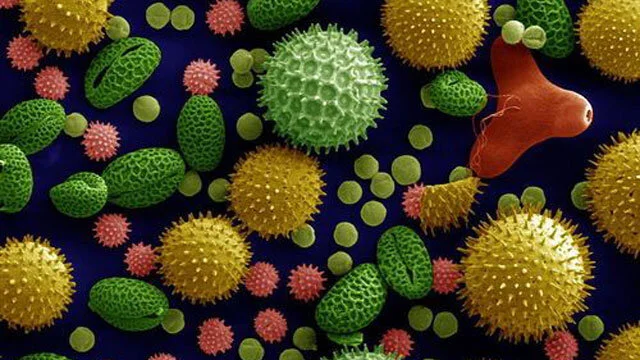
Pollen is one of the most common allergens in the U.S. Over 67 million people suffer from allergies, and of those 67 million, 81% say they are allergic to pollen.
Various trees, grasses, and weeds create pollen, which can cause hay-fever, irritate your sinus passages, cause rhinitis and irritate your eyes and skin.
These include the gas-phase indoor air pollutants including from paints, solvents, glues, cleaners, and carbon-dioxide and formaldahyde.
VOC's may worsen allergies and asthma. Children who sleep in bedrooms containing fumes from water-based paints and solvents are two to four times more likely to suffer allergies or asthma, according to a new scientific study. - Scientific American
Staph are common bacteria living in the noses of one third of every human. If it gets into the body, often through a cut, it can cause an infection that starts as swollen, painful red bumps resembling pimples or spider bites.
MRSA, is resistant to antibiotics and is spread by contact with people or objects that have the bacteria on them. MRSA is carried by about 2% of the population (or 2 in 100 people), although most of them aren't infected.
Rhinovirus is highly contagious and is spread by hand-to-hand contact, and aerosol particles. It is the primary cause of common colds.
Symptoms include sore throat, runny nose, nasal congestion, sneezing and cough; sometimes accompanied by muscle aches, fatigue, malaise, headache, muscle weakness, fever and exhaustion.
Dust mites look like ferocious monsters, but thousands could sit on a pinhead. They thrive in pillows, mattresses, upholstered furniture, stuffed toys and carpets: wherever they have a steady supply of human dander (shed flakes of skin). When inhaled, tiny dust-mite droppings trigger coughing, stuffy nose, itchy eyes or wheezing.
“Investigators of SBS (Sick Building Syndrome) have noticed that headaches represent the single most common symptom in almost all indoor environmental studies.”

Poor indoor air quality leads to migraine and headache - National Headache Foundation

Office workers in buildings with poor quality indoor air suffer from more intense migraines and more severe headaches than those who work in buildings with good air quality, a new study has found.
New homeowners! Even new homes need the air ducts cleaned!

new home construction debris in air duct
Air ducts will collect all kinds of new construction debris during construction.

allergy relief from air duct cleaning
Does anyone in your household suffer from allergies or asthma? Are you taking any steps to reduce your exposure to indoor allergens?

asthma relief from air duct cleaning
By focusing on indoor air quality, parents of children with asthma can remove many of the common indoor environmental factors that trigger asthma.